
Floor Sanding, London Flat
A tired floor taken back through successive grits and finished in oil.
Get a QuoteWhat was under the wear.
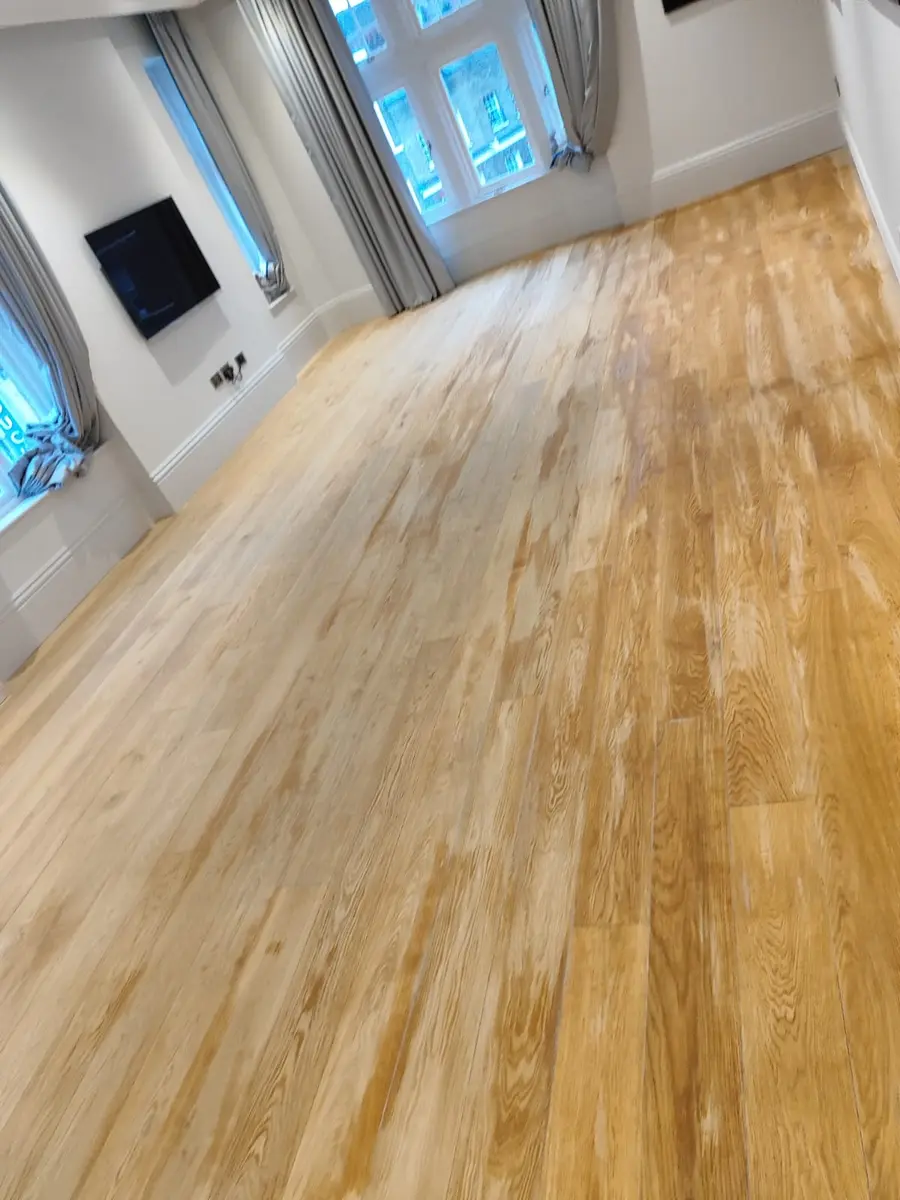
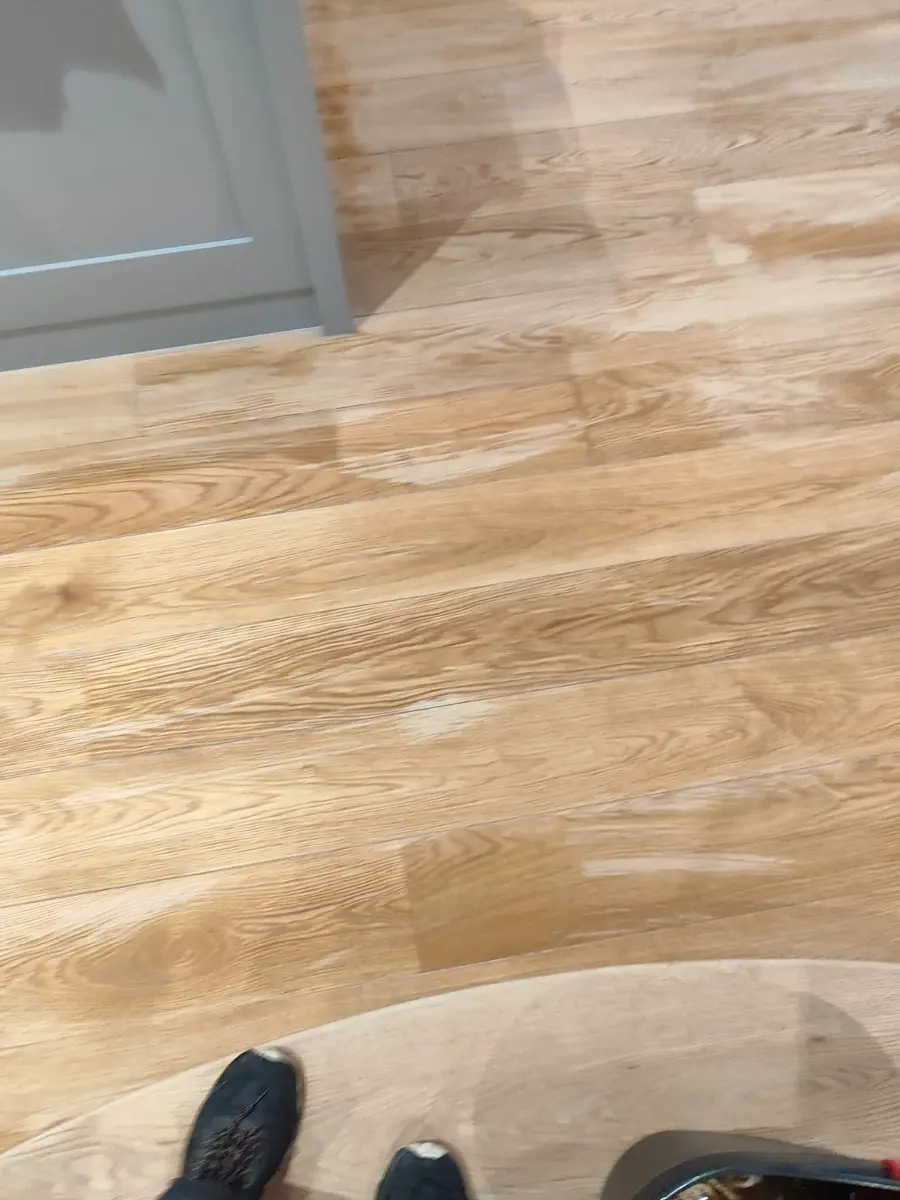
The before images show a floor that had taken years of traffic. At this stage the question is whether the boards have enough thickness left to sand, and in most cases on a solid timber floor they do.
A floor like this is almost always worth saving. It will outlast anything laid over the top of it, and the timber already matches the age of the building in a way a new product does not.
Three passes, then the finish.
Sanding runs in successive grit passes, each one removing the scratch pattern the last one left. Skipping straight to a fine grit leaves the deeper marks in place, and they appear the moment a finish goes on and the light catches the floor.
Edges and corners need separate machines from the main belt, and the join between the two is where a poor job shows. The aim is a floor with no visible boundary between the field and the perimeter.
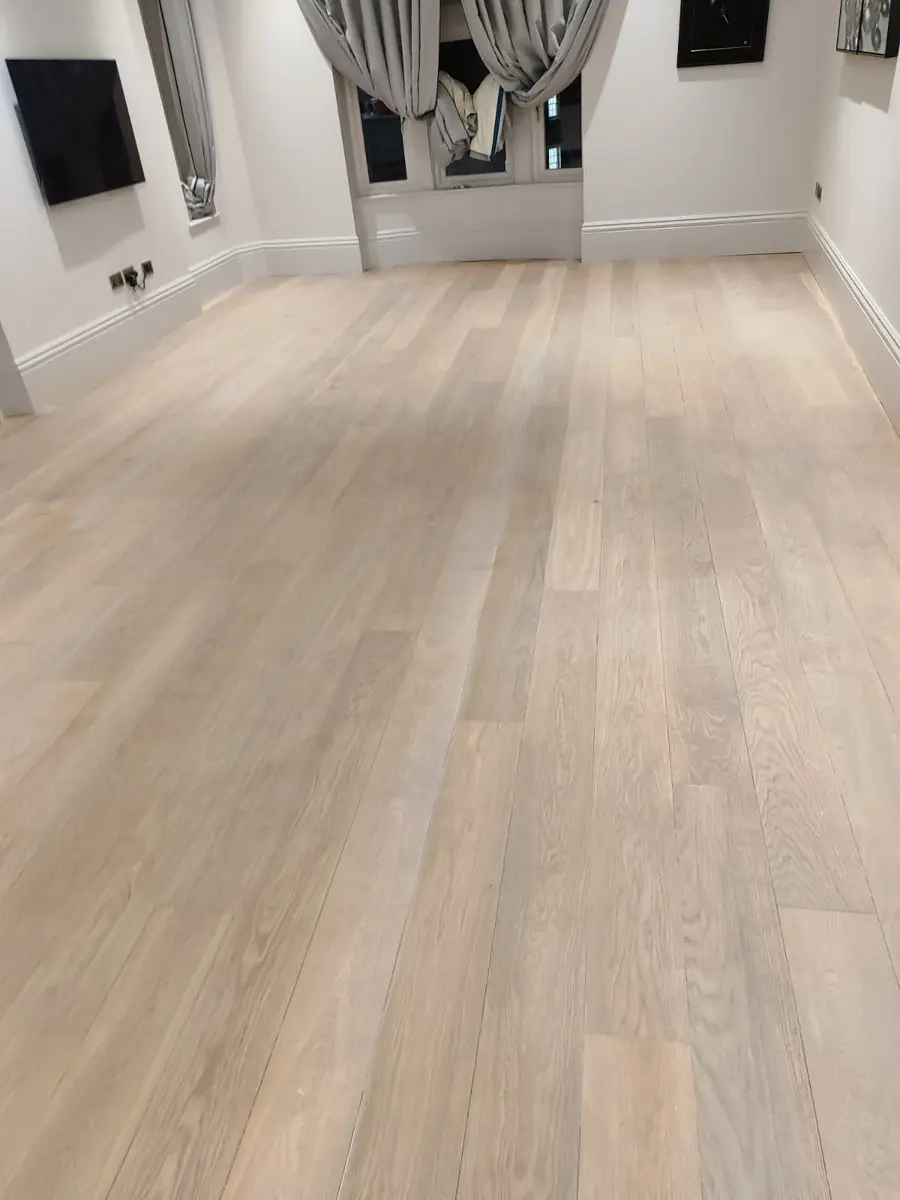
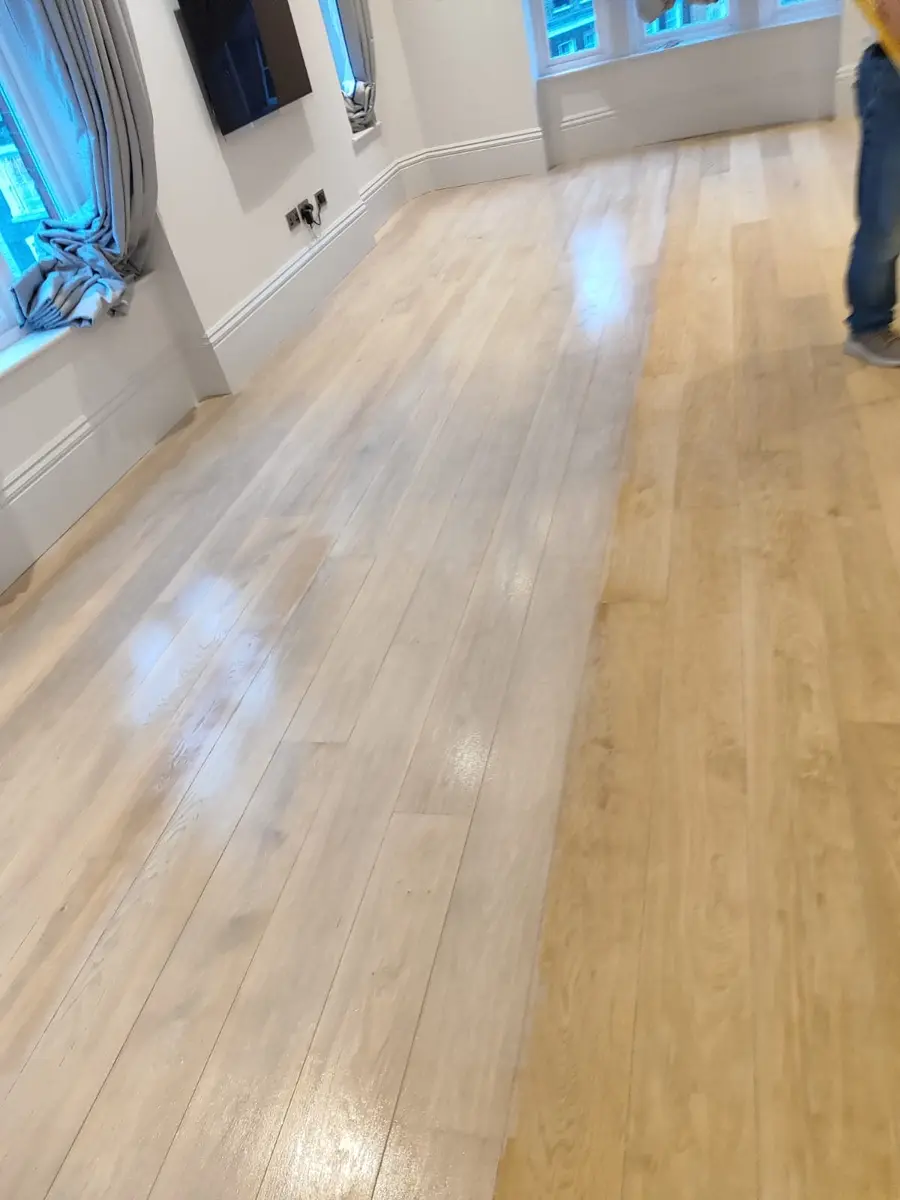
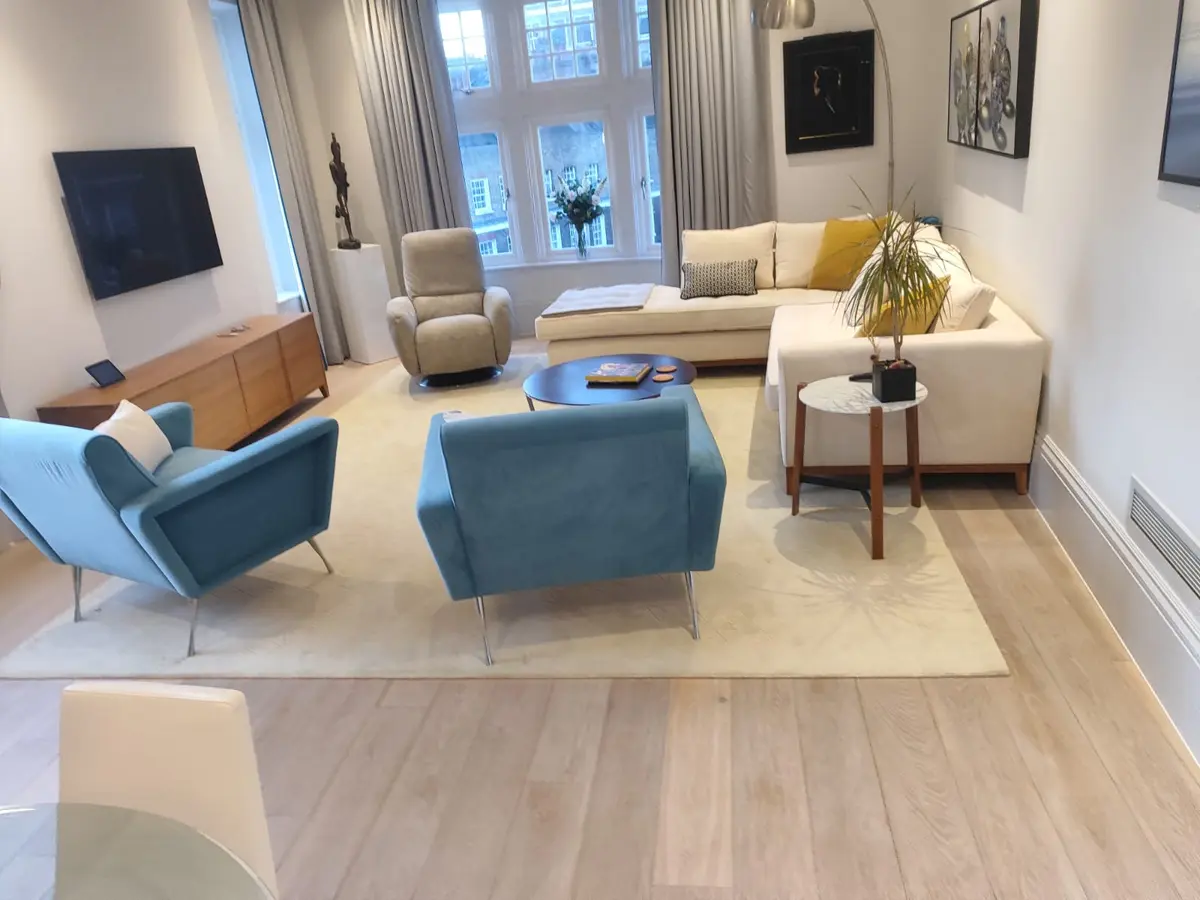
This floor was finished in oil, which penetrates the timber and leaves a natural, low-sheen surface that can be spot-repaired in a worn area later rather than needing a full re-sand.
Before and after, same boards.
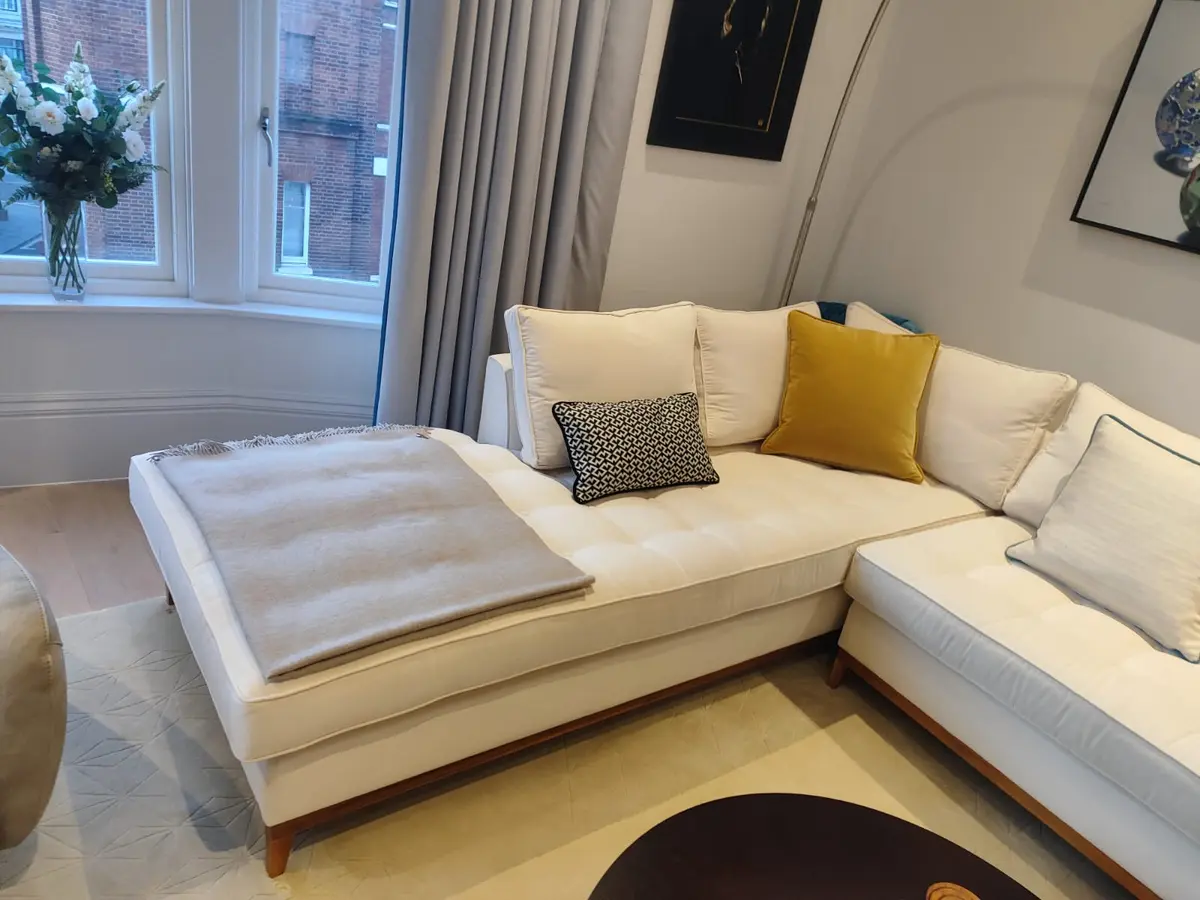
The completed and furnished rooms are below, alongside the before images and the oil being applied. Curing is not the same as touch-dry: a new finish can be walked on long before it is hard enough for furniture and rugs.
Judging a floor sanding job.
Most floor sanding failures come from rushing the sequence, and they only appear once a finish is on and the light catches the boards.
Ask how many grit passes are included. Each pass removes the scratch pattern the last one left. Jumping to a fine grit leaves the deeper marks in place and they show through the finish.
Look at the perimeter against the middle. Edges need different machines from the main belt, and the join between field and border is where a poor job is most visible.
Ask about dust extraction. It will never be dust-free, but extracted sanding in an occupied home is a different experience from unextracted.
Ask when furniture can go back. Curing is not drying. A floor can be walked on long before it is hard enough for furniture and rugs, and putting them back early is the commonest way a new finish gets damaged.
Tell us about your project
Send a few details and we will come back to you with a free, no-obligation estimate.
Contact Us Directly
Phone / WhatsApp
07968 994 595Location
London & Hertfordshire
Working Hours
Monday - Friday: 7:00am - 6:00pm
Saturday: 8:00am - 2:00pm
Sunday: Closed
Bring your walls to life.
Talk to BestFinish about a whiteboard wall installation — we'll survey the space, specify the right product, and give you an honest quote.